Understanding the Value of Membrane Layer Switch in Modern Electronic Devices
Membrane layer buttons are essential elements in modern digital gadgets. They provide a mix of capability and design that enhances individual interaction. Their resilient and lightweight nature makes them suitable for numerous applications. As industries progress, the demand for customization and progressed functions grows. Comprehending how membrane switches add to technology reveals their relevance fit the future of electronic devices. What exists in advance for this innovation?
The Essentials of Membrane Layer Switch Over Technology
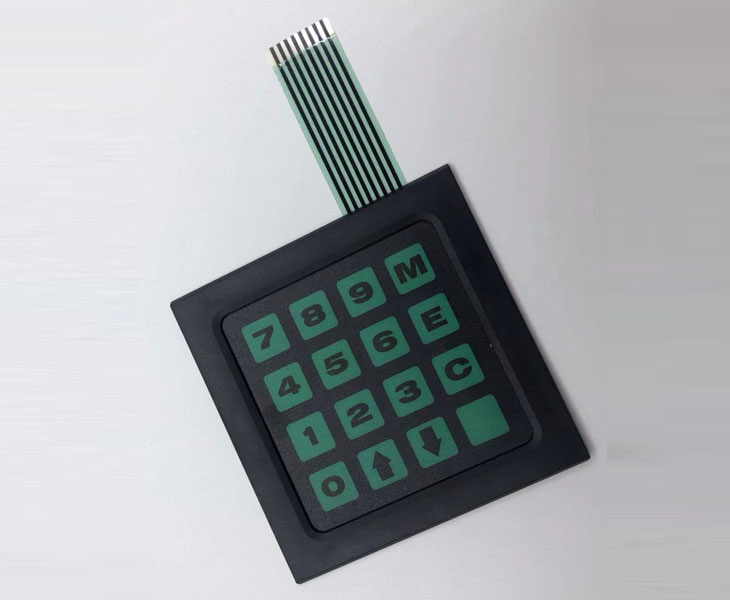
Although often neglected, membrane button modern technology plays an essential duty in the modern-day electronics landscape - membrane switch. These devices, composed of multiple layers, work as user interfaces for various digital products, ranging from house home appliances to clinical tools. A typical membrane layer button consists of a graphic overlay, a spacer layer, and a circuit layer, which are thoroughly put together to produce a useful interface.When pressure is related to the overlay, the circuit layer is completed, permitting signals to be sent to the tool. This modern technology is understood for its versatility, allowing modification in shape, layout, and functionality to satisfy specific individual demands. Additionally, membrane switches are lightweight and slim, making them ideal for applications where room is a costs. Their longevity and resistance to ecological factors better improve their allure, guaranteeing they can endure harsh problems while keeping performance. On the whole, membrane layer button modern technology is indispensable to developing straightforward and effective digital tools

Trick Benefits of Membrane Switches Over
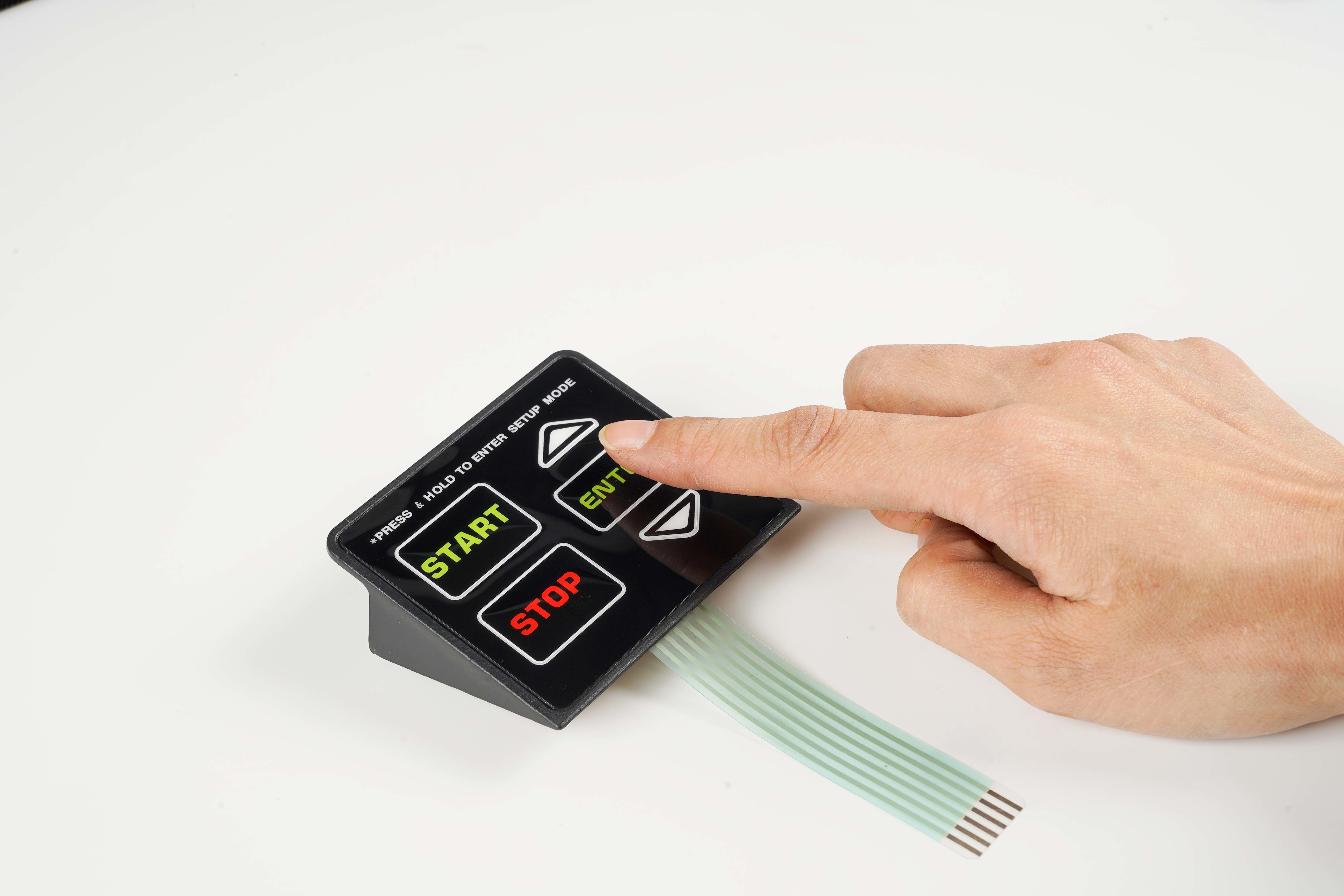
Membrane changes deal numerous crucial benefits that make them a favored selection in different electronic applications. Their style allows for a compact kind aspect, allowing makers to develop sleek and light-weight tools. Furthermore, membrane layer switches are immune to dust, wetness, and chemicals, which improves their toughness and longevity sought after settings. The tactile feedback supplied by these switches can enhance customer experience, making them instinctive and simple to operate.Furthermore, membrane layer buttons can be customized with diverse graphics and colors, enabling unique branding chances. The production procedure is normally cost-effective, especially for high-volume manufacturing, as it minimizes assembly time and simplifies layout. Ultimately, membrane layer switches over require very little maintenance, adding to lower total operational expenses. These advantages highlight their expanding popularity in modern electronics, where reliability and straightforward interfaces are crucial.
Applications Throughout Numerous Industries
The flexibility of membrane layer changes allows their extensive fostering across numerous sectors. In the clinical area, they are frequently made use of in analysis devices and person surveillance systems, using a long lasting interface immune to impurities. The vehicle sector utilizes membrane layer switches for control panel controls, improving customer experience with sleek layouts that withstand rough problems. In customer electronic devices, they serve as control panels for devices such as microwaves and coffee machine, supplying an easy to use interface that is very easy to tidy. The aerospace sector employs membrane switches in cabin controls, where reliability and area efficiency are critical. In addition, the commercial field leverages these buttons in machinery and control systems to assure robust operation in demanding settings. This wide variety of applications emphasizes the adaptability of membrane switches, making them integral components in boosting capability and user interaction across varied technological landscapes.
Personalization and Layout Flexibility
Future Fads in Membrane Layer Change Advancement
Arising trends in membrane switch development suggest a growing emphasis on enhanced performance and integration with wise technologies. As consumer demand for more advanced digital gadgets rises, manufacturers are concentrating on producing membrane layer changes that not just serve basic operational functions however likewise integrate attributes like touch level of sensitivity, backlighting, and haptic feedback.Furthermore, advancements in materials are anticipated to improve longevity and ecological resistance, making membrane layer changes ideal for varied applications in markets such as medical care, automotive, and customer electronic devices. The combination of capacitive touch modern technology is most likely to become much more prevalent, permitting sleeker designs and improved individual interfaces. membrane switch.Additionally, the rise of the Internet of Points (IoT) is triggering the growth of membrane switches that can connect wirelessly with various other gadgets, boosting interconnectivity. Generally, the future of membrane switch modern technology shows up promising, driven by innovation and the search of user-friendly options
Regularly Asked Inquiries
Just How Do Membrane Switches Compare to Traditional Mechanical Switches?
Membrane buttons, being more space-efficient and supplying a streamlined layout, contrast with typical mechanical buttons that offer responsive feedback. The former often include customizable graphics, while the last generally assure longevity and reliability in numerous applications.
What Products Are Commonly Utilized in Membrane Switch Over Production?
Membrane buttons are commonly produced utilizing materials such as polyester, polycarbonate, and printed conductive inks. These products give responsiveness, versatility, and toughness, making them ideal for different applications in digital tools websites and user interfaces.
Can Membrane Layer Switches Over Be Fixed or Reused?
Membrane layer buttons can typically be repaired, specifically if small problems occur, such as glue failing or surface area damage. However, full reuse is usually restricted as a result of put on and prospective destruction of products over time.
Exactly How Do Environmental Elements Impact Membrane Switch Efficiency?
Ecological elements, such as temperature level, exposure, and moisture to chemicals, considerably affect membrane layer button efficiency. Extreme conditions can cause degradation, affecting responsiveness and long life, eventually compromising the capability of the device in different applications.
What Is the Regular Life-span of a Membrane Switch over?
The regular life expectancy of a membrane layer button usually ranges from 1 to 5 million actuations, depending upon variables such as usage regularity, environmental problems, and the products made use of in manufacturing, influencing resilience and performance long life. A regular membrane button consists of a visuals overlay, a spacer layer, and a circuit layer, which are carefully assembled to create a useful interface - membrane switch.When pressure is applied to the overlay, the circuit layer is completed, enabling signals to be transferred to the gadget. The tactile feedback given by these buttons can improve user experience, making them very easy and intuitive to operate.Furthermore, membrane layer switches can be customized with varied graphics and colors, enabling for special branding chances. As consumer demand for a lot more sophisticated digital tools rises, manufacturers are concentrating on producing membrane layer switches over that not just offer basic functional functions yet likewise incorporate features like touch sensitivity, backlighting, and haptic feedback.Furthermore, developments in materials are anticipated to enhance resilience and ecological visit our website resistance, making membrane changes ideal for varied applications in industries such as medical care, auto, and consumer electronic devices. The integration of capacitive touch modern technology is likely to come to be more prevalent, permitting for sleeker styles and improved individual interfaces.Additionally, the increase of the Internet of Points (IoT) is prompting the development of membrane switches over that can connect wirelessly with various other devices, enhancing interconnectivity. Membrane layer buttons, being more space-efficient and offering a streamlined layout, comparison with standard mechanical switches that offer tactile comments